


Responsible gambling tools are most useful when they turn a vague intention into a clear boundary. Before choosing an online casino, Canadian adults should compare how easily they can set limits, pause play, review activity and close access if gambling stops feeling manageable. The lussurio casino bonus may attract attention, but promotional value should never replace a careful review of the account controls attached to play. A safer decision starts with practical safeguards, transparent conditions and a plan that does not depend on winning.
Which controls should a responsible casino provide?
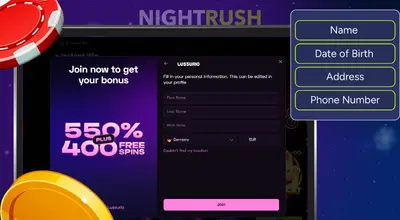
A credible responsible-gambling system should offer more than a general warning to play cautiously. Look for controls that address the main ways gambling can become difficult to manage: money, time, losses and access. Deposit limits can restrict how much enters an account, while wagering or loss limits may address activity after funds have been added. Session limits and reality checks help interrupt long periods of play.
The quality of a tool depends partly on how clearly it works. Before depositing, check whether the limit applies daily, weekly or monthly, and whether it covers all activity or only one transaction type. It is also important to understand when a new limit begins. A reduction may take effect immediately, while an increase could involve a waiting period. Do not assume that a control has worked until the account displays the new setting or provides confirmation.
Account history is another useful safeguard. A clear record of deposits, withdrawals, wagers and bonuses can show how much gambling is actually costing. That information is more valuable than relying on memory, particularly when small transactions accumulate. If the casino describes deposit limits, wagering limits, loss limits, time controls, reality checks, cooling-off periods and self-exclusion, read the related terms before using the account. A list of tools is not the same as evidence that every tool has identical conditions.
How can you set limits before gambling begins?
Set a financial limit before opening a game, not after a losing session. The amount should be money that can be spent without affecting rent, food, debt payments, savings or other obligations. Treat it as entertainment spending rather than a temporary advance that can be recovered through a lucky result. Once the limit has been reached, the intended action should be to stop rather than deposit again.
A practical plan can use several boundaries at once. For example, a person might choose a monthly deposit ceiling, a smaller session budget and a maximum amount they are willing to lose. Time limits can prevent gambling from extending into work, sleep or family responsibilities. Reality checks are useful when they display elapsed time or activity, but they work best when the player has already decided what to do when the notice appears.
Keep a private record of the limits you selected and the date they were applied. This makes it easier to notice whether settings are being changed repeatedly to continue playing. Avoid funding an account with borrowed money, credit intended for essentials or money reserved for another person. If a limit feels difficult to maintain, that is a reason to pause and seek support, not a reason to choose a higher threshold. Gambling should not be treated as income or a way to solve financial pressure.
When is a cooling-off period more appropriate?
A cooling-off period is designed for a temporary break. It may suit someone who notices that gambling is taking too much attention, follows a stressful event or wants distance after an unusually long session. The duration and effect can vary, so check whether the account becomes inaccessible, whether promotional messages stop and whether deposits or wagers are blocked during the selected period.
Self-exclusion is a stronger step. It is generally intended for people who want to prevent themselves from gambling for a defined period or indefinitely. Read the procedure carefully before confirming it, including whether the request applies only to one account, how long it lasts and whether it can be cancelled early. Do not create another account to get around an exclusion. Duplicate-account restrictions can also create separate account and verification problems.
Support is appropriate when a pause no longer feels sufficient. The Centre for Addiction and Mental Health gambling information explains that gambling problems can affect mental health, relationships and finances, and provides general information for people looking for help. A pause can be combined with practical steps such as removing saved payment details, blocking gambling websites, telling a trusted person and contacting a counsellor or support service.
What should you do if controls are unclear?

Do not rely on promotional wording to understand responsible-gambling protections. Bonus pages often emphasize rewards, free spins or matched deposits, while the relevant limits may appear in account settings or general terms. Before accepting an offer, check whether bonus play can encourage additional deposits, whether a withdrawal cancels an active reward and whether certain games contribute differently to wagering requirements.
Ask support specific, answerable questions rather than requesting a general assurance. You might ask when a deposit limit takes effect, whether a loss limit includes bonus funds, how a self-exclusion request is confirmed and what happens to pending withdrawals during a restriction. Keep written replies and screenshots of settings. If the answers conflict with the published terms, delay gambling until the difference is resolved.
Also examine how easily you can leave. A responsible option should not make account closure unnecessarily confusing or pressure you to replace a withdrawal with another deposit. If verification is pending, ask how a restriction, cooling-off request or self-exclusion interacts with the review process. Do not send identity documents through an unverified channel. Use only the support route stated by the operator and avoid sharing more personal information than the request requires.
How does the Canadian context affect your decision?
Canadian consumers should distinguish between an operator’s responsible-gambling tools and the regulatory environment connected with the operator. A site may be accessible to people in Canada without being registered with a provincial authority. In the supplied information, the operator is described as offshore rather than iGaming Ontario-registered. That distinction does not by itself prove that every account experience will be unsafe, but it means readers should not assume that provincial registration, complaint routes or local protections apply.
Check the operator’s stated licence, corporate identity, dispute process and jurisdiction before making a decision. A licence reference should be treated as something to verify, not as a substitute for reading the account terms. Pay close attention to the law and gambling guidance that applies where you live. Rules, available support and consumer remedies can differ between provinces, and geography alone does not establish that a particular service is licensed or suitable for you.
Finally, compare the practical level of control rather than the size of the welcome offer. Ask whether you can set a limit without contacting support, receive clear confirmation, review activity and activate a break without ambiguity. Consider whether the payment methods, currency settings and verification process could make it harder to stop or monitor spending. If the operator’s controls are difficult to understand, choose not to deposit until the uncertainty is resolved. Convenience should never outweigh the ability to stop.
Responsible gambling questions answered
Are deposit limits enough to keep gambling safe?
No. Deposit limits restrict money entering an account, but they may not address time spent gambling, losses already incurred or attempts to use another account. Combine financial limits with session boundaries, activity reviews and a clear stopping plan. If maintaining a limit becomes difficult, take a break or seek confidential support.
What should I do if I keep increasing my limits?
Stop gambling and remove access to available funds rather than raising the limit again. Use a cooling-off period or self-exclusion if offered, and tell someone you trust what is happening. Consider professional support, particularly if gambling is affecting bills, sleep, relationships, work or your emotional wellbeing.
Can a bonus make responsible gambling more difficult?
It can. A bonus may encourage extra deposits, extended play or attempts to meet wagering conditions before withdrawing. Read the offer terms and decide on a spending limit before accepting it. Never increase spending to unlock a reward, and remember that promotional funds are not guaranteed income or recoverable losses.